Budget Tax Adjustments Lead Gaming Operators to Consider Bingo Licence Conversions
Written by Iris Simon · Nov 5, 2026

Budget Tax Adjustments Lead Gaming Operators to Consider Bingo Licence Conversions
Chancellor John Healey announced in the UK Autumn Budget delivered the prior week that Machine Games Duty on slot machines would rise from 20% to 25% effective April 2027, while business rates discounts for adult gaming centres and vape shops in England would end, and operators have begun examining bingo licence routes to maintain eligibility for reliefs on venues that focus primarily on category B3 machines.
Guardian analysis of Gambling Commission records combined with site visits shows that major operators including Merkur and Admiral already hold bingo licences for some locations where slot machines dominate the floor space, with bingo offerings sometimes restricted to unused tablets positioned in a corner, and operators retain the option to convert remaining AGC licences to bingo status.
Details of the Tax and Rates Changes
The duty increase applies directly to slot machine revenue, whereas the removal of business rates discounts affects property costs for adult gaming centres across England, and these measures together create financial pressure on high-street sites known as slot farms that rely heavily on B3 machines for income.
Operators who switch to bingo licences gain continued access to discounted rates because the licensing category carries different regulatory treatment, and this approach allows venues to operate without immediate conversion of all existing permissions while still meeting the basic requirements for the relief.
Evidence from Licensing Records and Site Inspections
Records reviewed by the Guardian indicate that several high-street locations operated by Merkur and Admiral now list bingo as the primary activity on their licences even though physical layouts remain centred on slot terminals, and follow-up visits confirmed that bingo equipment often occupies minimal space with limited actual play observed during normal operating hours.
Additional operators hold both AGC and bingo permissions at different sites, which positions them to reclassify venues as needed without starting from scratch, and this flexibility stems from existing dual-licence structures that the Gambling Commission already records in its public register.
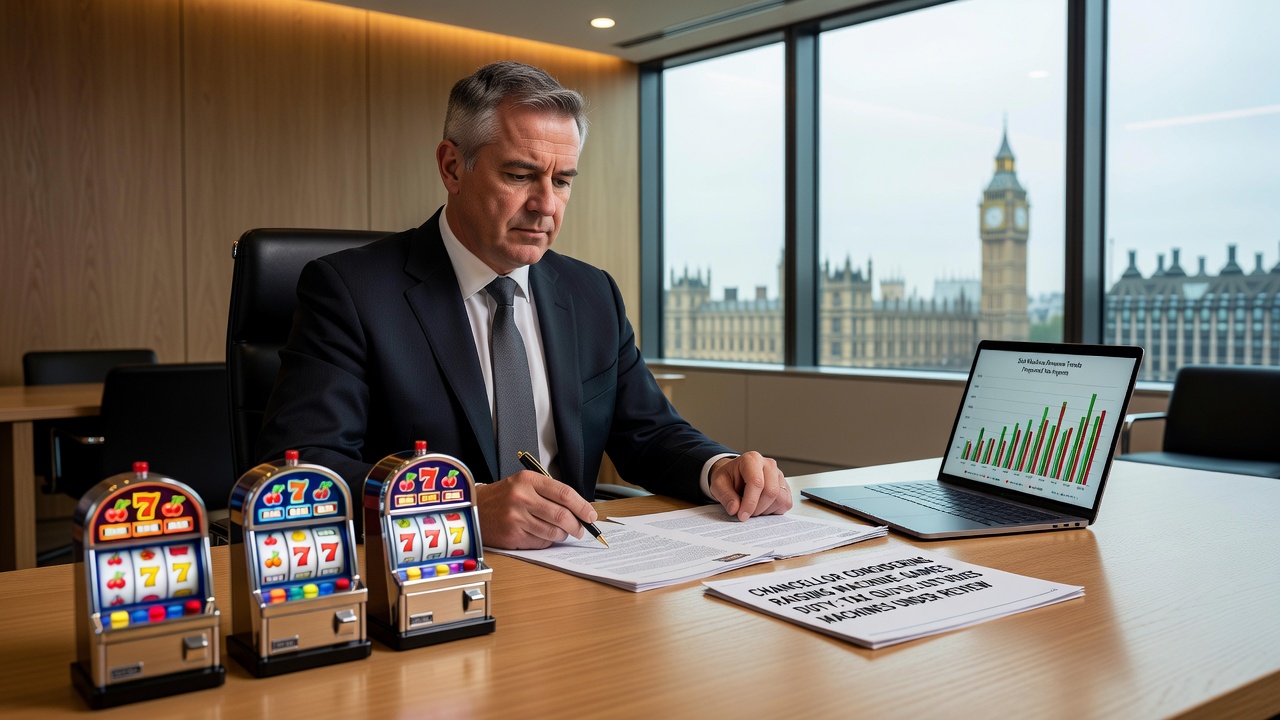
MPs and regulatory experts have highlighted the gap in enforcement that permits such reclassifications when bingo activity remains minimal, and they note that current rules do not specify minimum thresholds for bingo participation or floor allocation that would prevent slot-dominant operations from qualifying.
Calls for Revised Licensing Standards
Parliamentary voices have urged the Gambling Commission to introduce clearer criteria around licence categories, including requirements for dedicated bingo space and active promotion of the game, while enforcement bodies consider how to verify that venues meet the spirit of their stated licence type rather than relying solely on formal registration.
Those who have examined the records point out that conversion remains straightforward under present guidelines because operators can apply to amend permissions without public consultation in many cases, and this process allows rapid adjustment ahead of the April 2027 duty implementation date.
Potential Scale of the Loophole
Hundreds of high-street sites could pursue similar strategies if no adjustments occur before the new duty rate takes effect, and data from the Gambling Commission shows a concentration of B3-focused venues in town centres that would face the full impact of both the duty rise and the loss of rates relief.
Operators continue to review individual site licences to determine which locations offer the most straightforward path to bingo status, and industry observers note that the approach mirrors earlier shifts in licensing that responded to previous tax or regulatory changes.
Conclusion
The Autumn Budget measures on Machine Games Duty and business rates have prompted gaming operators to explore bingo licence options as a way to retain discounted rates on slot-heavy venues, with Guardian analysis confirming existing examples among major operators and highlighting the absence of stricter enforcement rules at present.